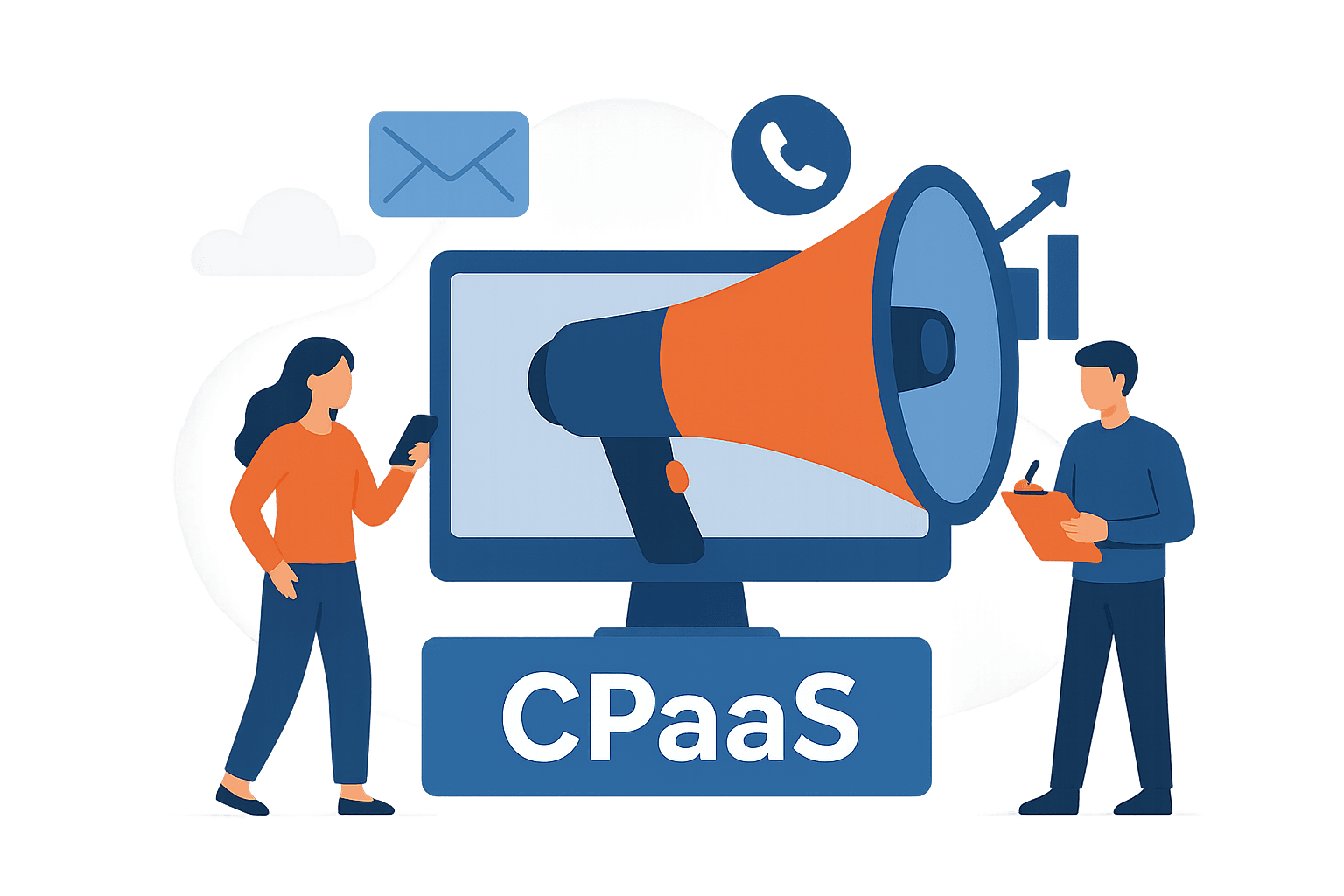
In an increasingly digital-first world, Communication Platform as a Service (CPaaS) has emerged as a transformative technology that empowers businesses to redefine their customer interactions. By providing a flexible and scalable framework of Application Programming Interfaces (APIs) and Software Development Kits (SDKs), CPaaS enables developers and marketers to embed real-time communication features directly into their existing applications. This not only streamlines customer support but also delivers a significant and measurable return on investment (ROI) for marketing initiatives through advanced automation, deep personalization, and insightful analytics.
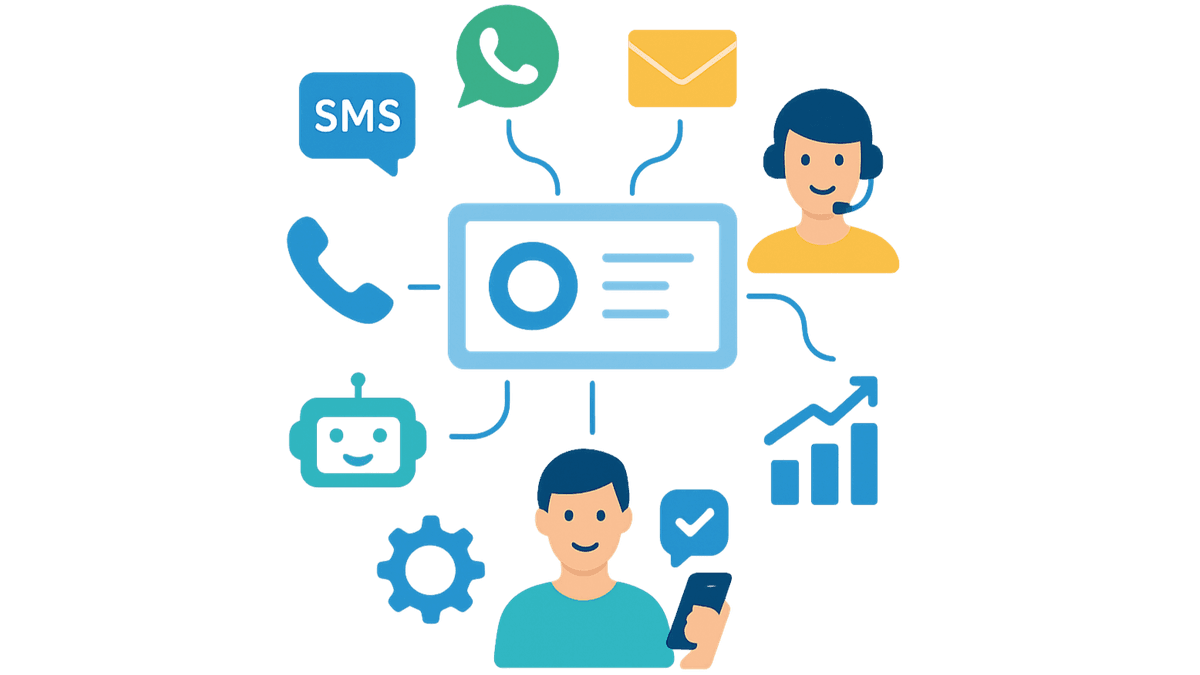
At the heart of any robust CPaaS platform lies a suite of multi-channel messaging APIs that cater to a wide array of communication preferences. SMS APIs, for instance, are a standout feature, boasting open rates as high as 98% and direct reply rates of around 45%—figures that far surpass what is typically achievable through traditional email marketing. Voice APIs add another layer of personalization, enabling automated yet highly relevant communications such as appointment reminders, fraud alerts, and critical notifications. Complementing these are Chat APIs, which facilitate integrated live support and personalized product recommendations directly within a brand’s website or social media messaging interface, creating a frictionless customer experience.
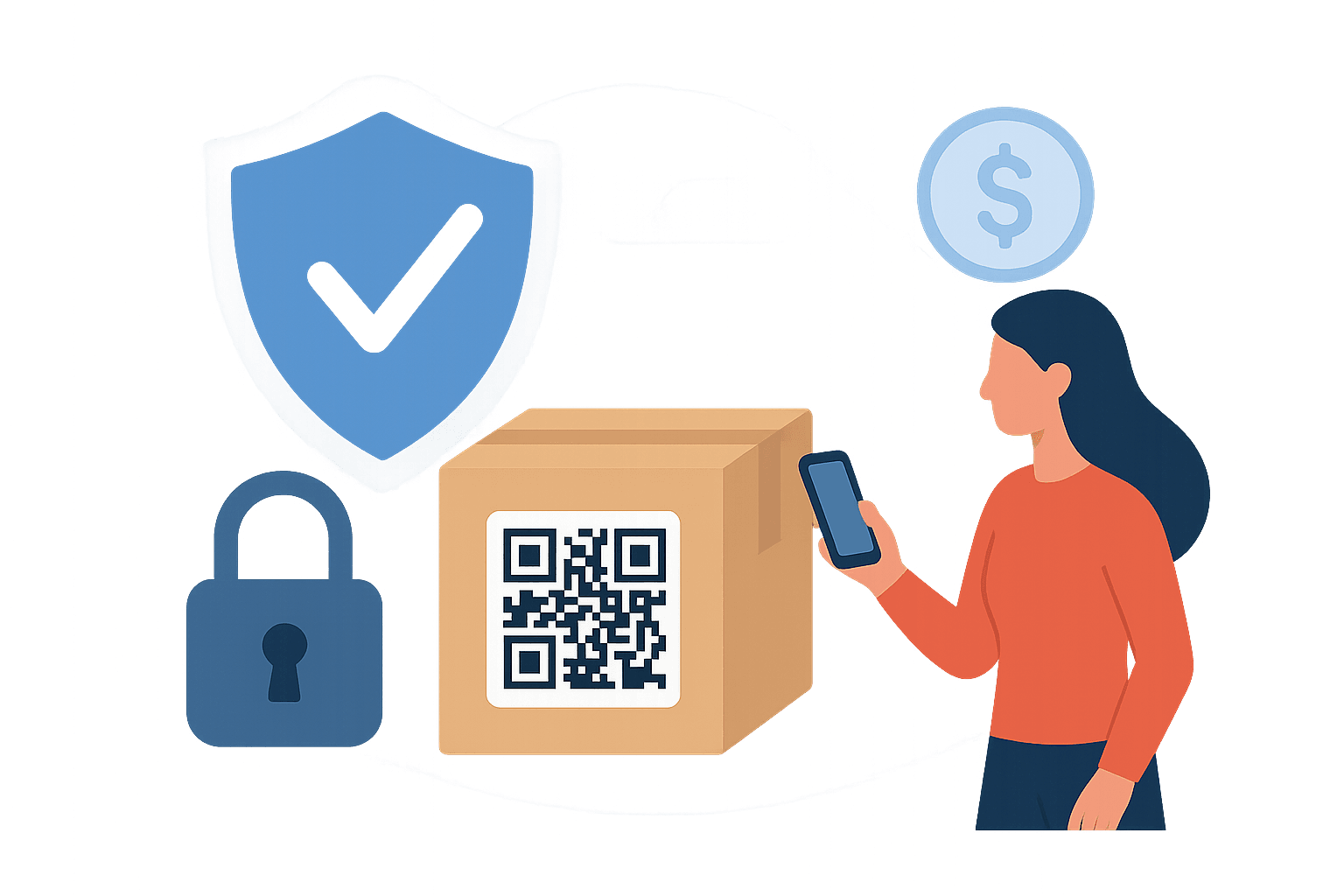
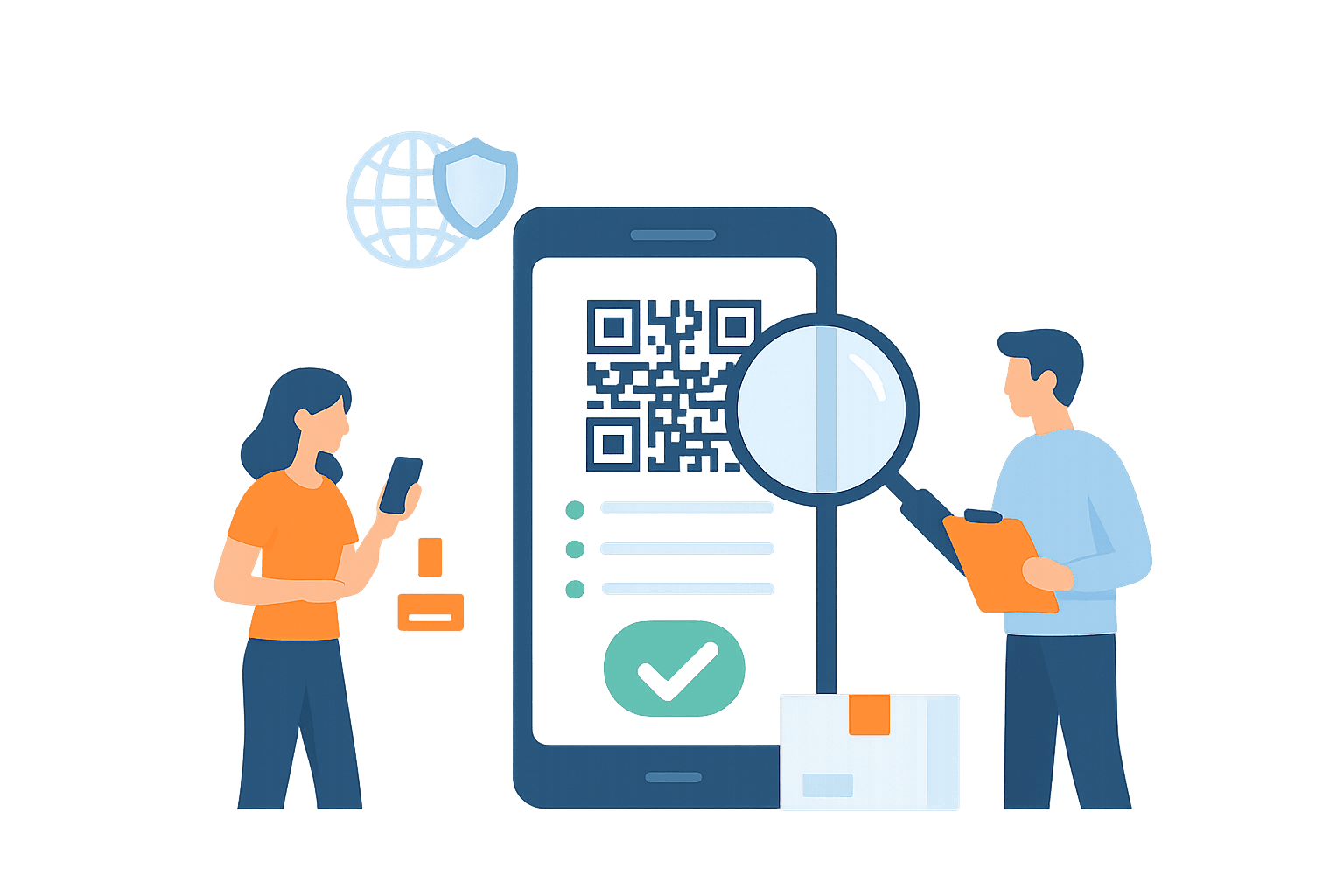
CPaaS platforms excel at creating event-driven marketing automation workflows through the use of webhooks and callback integrations. These features allow for real-time triggers based on specific customer actions. For example, when a customer scans a Ciphercode encrypted QR code to verify a product’s authenticity, a webhook can instantly initiate a targeted promotional message, a warranty registration workflow, or a customer satisfaction survey. This level of automation not only reduces the need for manual intervention but also dramatically accelerates the velocity of customer engagement, ensuring that brands can interact with their audience at the most opportune moments.
Modern CPaaS solutions incorporate sophisticated routing and queuing algorithms that are designed to optimize the delivery of customer support. By intelligently distributing incoming queries to the most appropriate agent or self-service channel, these platforms can significantly reduce customer wait times and improve first-contact resolution rates. This enhanced efficiency often translates into a 20–40% reduction in customer support operational costs, freeing up valuable resources that can be reallocated to other strategic initiatives.
A key, yet often underestimated, feature of CPaaS is its ability to integrate with a wide range of existing business systems, including Customer Relationship Management (CRM) platforms, e-commerce engines, and inventory management software. This allows for the centralized aggregation of consumer data, creating a unified and holistic view of each customer. This rich, unified data then becomes the fuel for highly personalized marketing campaigns that can leverage verified purchase history, geographic location data, and behavioral analytics derived from product authentication and engagement platforms like Ciphercode to deliver uniquely relevant content.
To prove their value, modern CPaaS platforms are equipped with real-time analytics and reporting dashboards. These tools enable marketers to meticulously track a host of key performance indicators, including scan-to-purchase conversion ratios, customer acquisition costs, and lifetime value projections. This data-driven approach empowers marketing teams to make informed decisions, fine-tune their campaigns with agility, and conduct rapid optimization cycles to maximize their ROI.
Leading CPaaS ecosystems are increasingly supporting advanced experimentation capabilities, such as A/B testing, control groups, and incrementality measurement. These features provide marketing teams with the tools they need to confidently measure the true impact of their campaigns, attribute revenue with a high degree of accuracy, and present a compelling, data-backed case for their budget allocations to finance stakeholders and executive leadership. As one recent industry survey revealed, companies that effectively use CPaaS for customer engagement see an average 25% increase in customer retention and a 30% improvement in operational efficiency, underscoring the platform’s profound impact on both top-line growth and bottom-line savings.By leveraging the full spectrum of CPaaS features, brands can create a virtuous cycle of improved customer support, enhanced marketing ROI, and a sustainable competitive advantage in a constantly evolving digital economy.
Sign up now and experience the power of True Authentication and Customer Engagement
Request Demo