Digital Product Passports: Transforming Transparency and Circular Economy Compliance
Understand the importance of traceability and sustainability in global markets.
In an era defined by conscious consumerism and stringent regulatory landscapes, the demand for transparency and sustainability in global markets has never been higher. Consumers, investors, and regulatory bodies are increasingly scrutinizing the entire lifecycle of products, from the sourcing of raw materials to their end-of-life disposal. This paradigm shift is compelling brands to rethink their supply chains and embrace new technologies that can provide the required level of visibility and accountability. Emerging as a pivotal solution in this transformative landscape is the Digital Product Passport (DPP), a tool poised to revolutionize how we produce, consume, and manage products. A DPP serves as a digital record of a product’s journey, offering an unprecedented level of insight into its environmental impact and circular potential. This comprehensive approach to data sharing is not just about compliance; it’s about building trust, fostering a circular economy, and creating new avenues for consumer engagement.
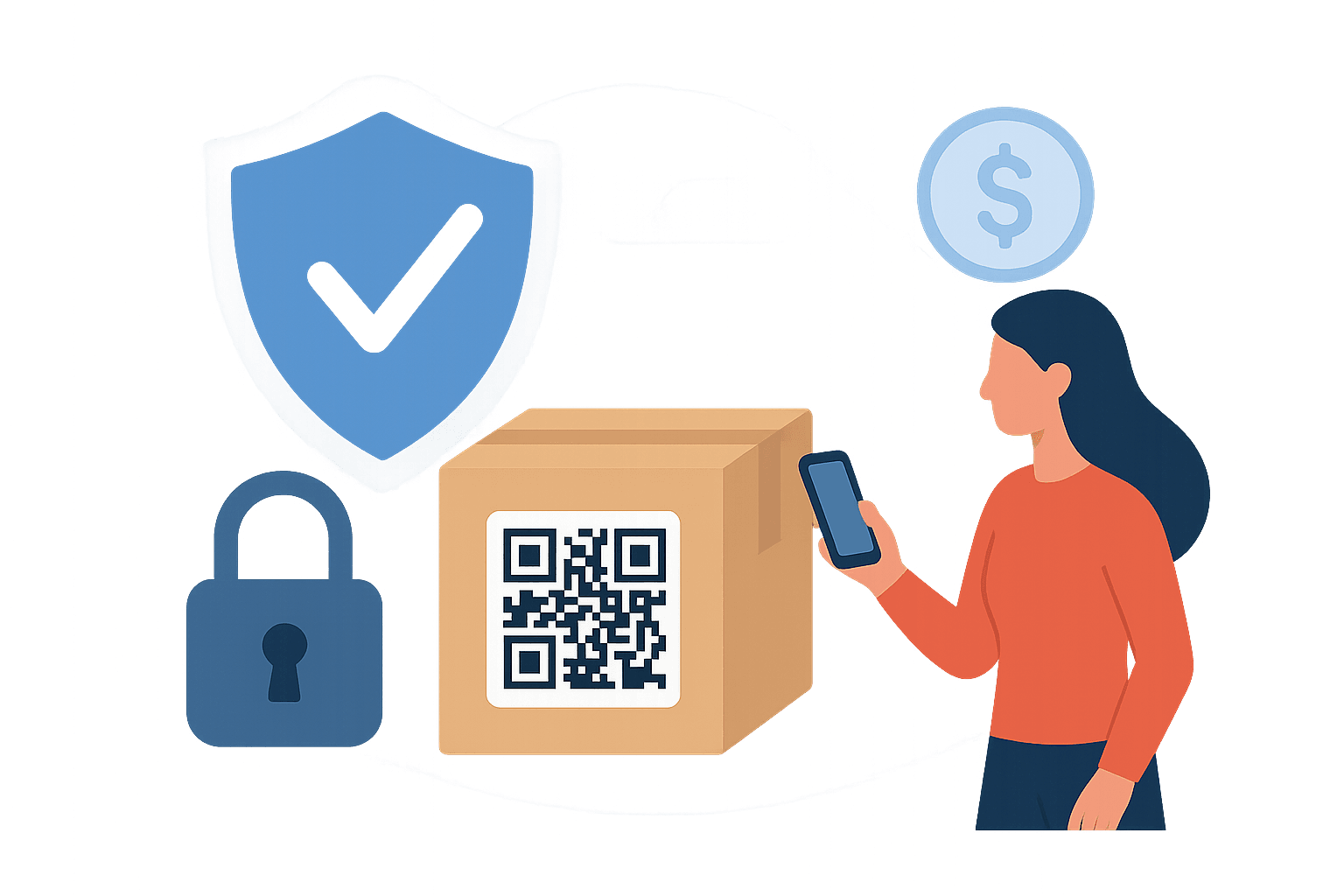
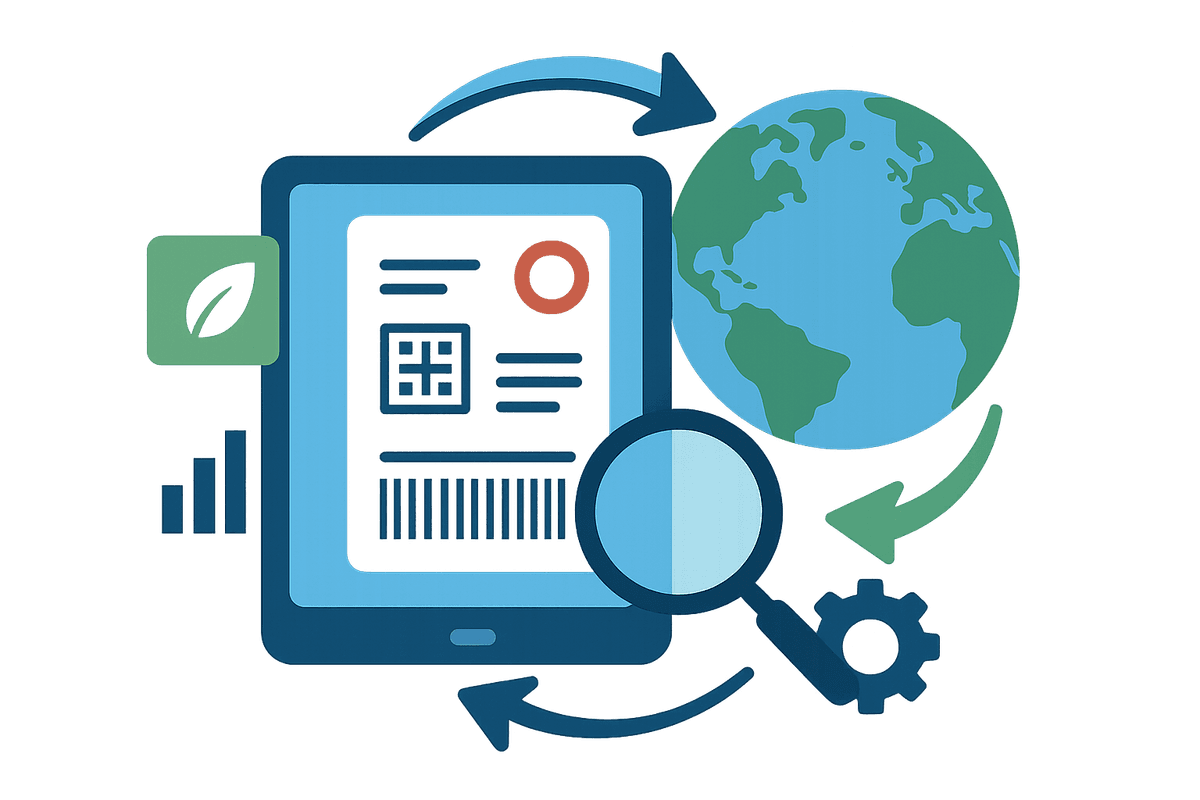
At its core, a Digital Product Passport is a structured collection of product-related data with a predefined scope and agreed-upon data management and access rights. Think of it as a digital twin of a physical product, a dynamic record that accompanies it throughout its entire lifecycle, from cradle to grave. This digital document contains a wealth of information, including details about the product’s origin, the materials used in its production, its environmental footprint, and instructions for its repair, reuse, and recycling. This information is typically accessed through a data carrier, such as a QR code or an NFC tag, attached to the product. A simple scan can unlock a treasure trove of data, empowering everyone from consumers to recyclers with the knowledge they need to make more sustainable choices. The implementation of DPPs is designed to support sustainable product production, enable circular business models, and help consumers make more informed purchasing decisions.
The European Union is at the forefront of the DPP revolution with its Ecodesign for Sustainable Products Regulation (ESPR). As a key component of the EU’s Circular Economy Action Plan, the ESPR aims to make sustainable products the norm in the EU market. Under this regulation, the Digital Product Passport will become a mandatory requirement for a wide range of products sold within the EU. The rollout is planned in stages, with the first wave of products expected to require DPPs by 2026, including batteries and energy-intensive industrial products. Other product categories, such as textiles, furniture, and consumer electronics, will follow, with the goal of having all products sold in the EU equipped with a DPP by 2030.
The EU has laid out specific requirements for what a DPP must contain. Each passport must include a unique product identifier, information about the manufacturer and importer, and details on substances of concern. It should also provide guidance on how to install, use, maintain, and repair the product to extend its lifespan. Furthermore, the DPP must offer clear instructions for the product’s end-of-life, including how to return or dispose of it in an environmentally friendly manner. Differentiated access to data will be provided, with some information being public and other data restricted to specific stakeholders.
The impact of Digital Product Passports on supply chain management cannot be overstated. In an increasingly complex and interconnected global economy, supply chain transparency has become a critical differentiator for businesses. The DPP market is projected to grow from USD 185.9 million in 2024 to USD 1,780.5 million by 2030, a testament to its growing importance. By providing a detailed and immutable record of a product’s journey, DPPs are a powerful tool for enhancing traceability and combating counterfeiting. This is particularly crucial in industries like pharmaceuticals, electronics, and luxury goods, where product authenticity is paramount.
For logistics operations, DPPs offer a multitude of benefits. The increased traceability allows businesses to locate and track items throughout their journey, improving efficiency and reducing the risk of disputes. With access to comprehensive product data, companies can make more informed decisions in real-time, identify and resolve bottlenecks in the supply chain, and lower operational costs. This enhanced visibility also leads to better inventory management, minimizing the risks of overproduction and stockouts.
Digital Product Passports are not just a B2B tool; they are designed to empower consumers and drive the transition to a circular economy. By providing easy access to information about a product’s sustainability credentials, DPPs enable consumers to make more conscious and informed purchasing decisions. This transparency can foster a deeper connection between the brand and the consumer, building trust and loyalty. Imagine being able to scan a QR code on a piece of clothing and instantly learn about the organic cotton farm where the raw material was grown, the factory where it was ethically produced, and how to care for it to ensure its longevity.
This level of transparency is a cornerstone of the circular economy, a model that aims to eliminate waste and keep products and materials in use for as long as possible. DPPs play a crucial role in this by providing the necessary information for repair, refurbishment, and recycling. They can guide consumers on how to get a product repaired, and inform recycling facilities about the materials it contains, ensuring they are properly recovered and repurposed.
While compliance with regulations like the ESPR is a key driver for DPP adoption, the benefits for businesses extend far beyond regulatory requirements. Embracing DPPs can be a strategic move that enhances brand reputation, unlocks new revenue streams, and provides valuable data-driven insights. By demonstrating a commitment to transparency and sustainability, brands can differentiate themselves in a crowded market and attract environmentally conscious consumers.
Furthermore, DPPs can enable new and innovative business models, such as product-as-a-service and repair-based services. The data collected through DPPs can also be a goldmine of insights. AI-powered analytics can be used to understand consumer behavior, optimize marketing campaigns, and identify opportunities for product improvement. Companies like Ciphercode are already providing platforms that allow brands to leverage encrypted QR codes for product authentication and consumer engagement, turning every product into a direct communication channel.
As we move towards a more sustainable and transparent global economy, the Digital Product Passport will undoubtedly become an indispensable tool for businesses and consumers alike. It is more than just a digital document; it is a catalyst for change, a key enabler of the circular economy, and a bridge to a more sustainable future. The journey towards widespread DPP adoption is just beginning, but its potential to transform industries and reshape our relationship with the products we use is immense.
Sign up now and experience the power of True Authentication and Customer Engagement
Request Demo