How Digital Product Passports Enhance Consumer Trust and Brand Security
Link product data and authentication to build transparent consumer experiences.
In an era where consumers demand greater transparency and brands face the ever-growing threat of counterfeiting, a revolutionary technology is emerging as a critical tool for building trust and security: the Digital Product Passport (DPP). By linking verifiable product data to a unique digital identity, DPPs are creating a transparent and authenticated experience for consumers, from the factory to the end of a product’s life. This digital bridge between brands and consumers is not just a regulatory requirement but a strategic asset for any forward-thinking business.
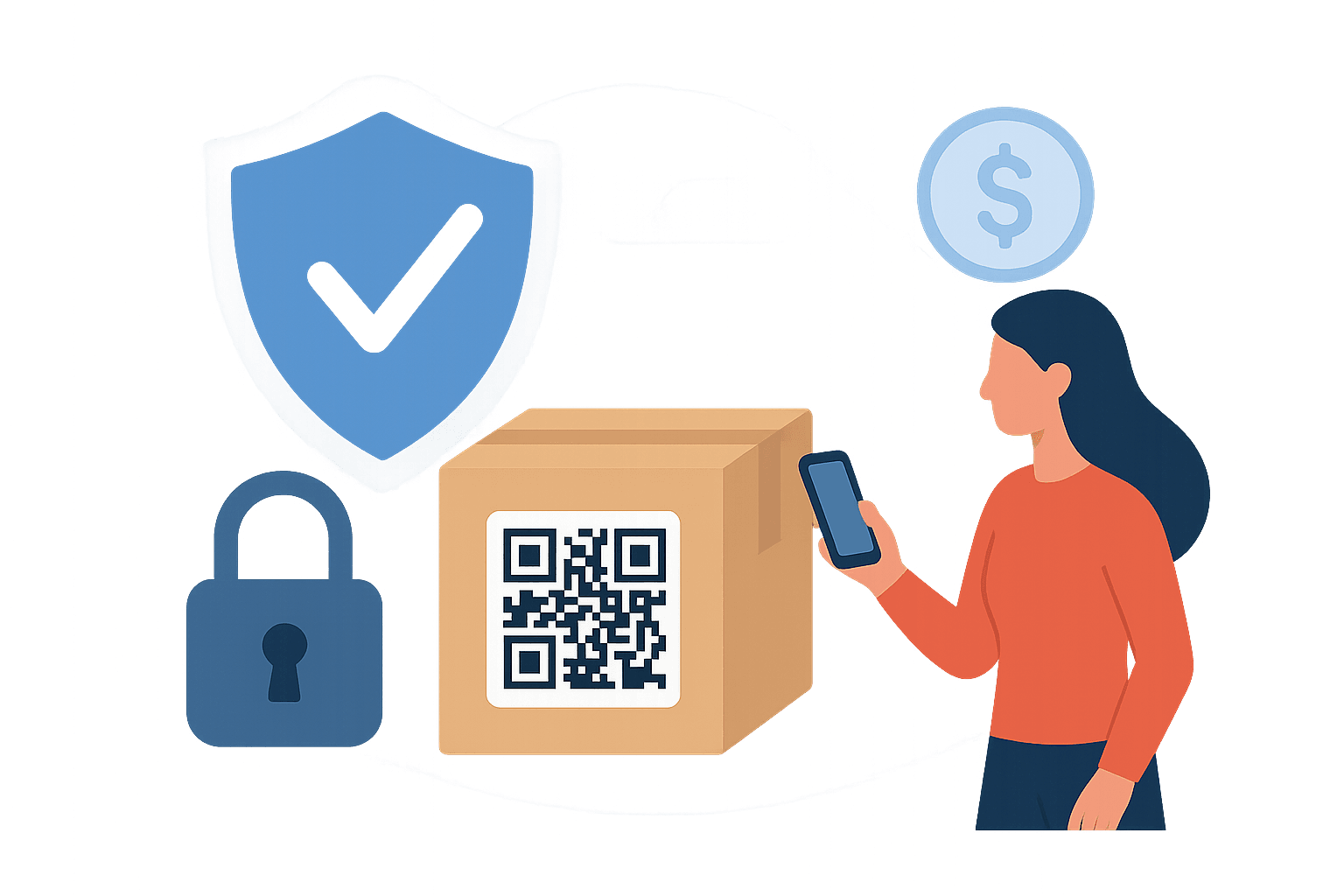
A Digital Product Passport (DPP) is a digital record of a product’s entire lifecycle, from the sourcing of raw materials to its final disposal or recycling. Think of it as a digital birth certificate, resume, and instruction manual all rolled into one, accessible to various stakeholders, including consumers, businesses, and regulators, typically through a simple scan of a QR code or other data carrier on the product.
The information contained within a DPP can be extensive and is designed to provide a comprehensive overview of the product’s journey and impact. Key data points often include:
The European Union is at the forefront of the DPP movement, with the ESPR making DPPs a mandatory requirement for a wide range of products sold in the EU, starting with batteries in 2026. This regulation is a clear signal that DPPs are set to become a global standard for product information and transparency.
The global market for counterfeit goods is a significant and growing threat to brands, with estimates suggesting it could reach a staggering $1.79 trillion by 2030, accounting for 5% of all global trade. This illicit trade not only results in lost revenue for legitimate businesses but also damages brand reputation, erodes consumer trust, and can even pose safety risks to consumers.
Digital Product Passports offer a powerful solution to this problem by providing a secure and reliable method of product authentication. By linking a unique, encrypted digital identity to each physical product, brands can empower consumers and supply chain partners to instantly verify the authenticity of a product with a simple scan. This makes it significantly more difficult for counterfeiters to infiltrate the market with fake goods.
Advanced DPP platforms utilize technologies like patented encrypted QR codes to ensure that each product’s identity is secure and cannot be cloned, providing a level of brand protection that was previously unattainable. The ability to track and trace products throughout the supply chain also provides brands with invaluable data to identify and address vulnerabilities where counterfeit products might be entering the market. The result is a more secure and trustworthy marketplace for both brands and consumers, with some businesses reporting a 100% protection of their SKUs and a 10x increase in productivity in fighting counterfeits.
In today’s market, consumer trust is a brand’s most valuable asset. A growing number of consumers are demanding more than just quality products; they want to know the story behind the products they buy. They are increasingly concerned about sustainability, ethical sourcing, and the environmental impact of their purchases. In fact, studies show that a significant majority of consumers, around 80%, are willing to pay more for products that are sustainably produced, and 55% consider a brand’s sustainability practices a crucial factor in their purchasing decisions.
Digital Product Passports are a direct response to this demand for transparency. By providing consumers with easy access to a wealth of information about a product’s lifecycle, brands can build a deeper and more meaningful relationship with their customers. This transparency fosters trust and loyalty, as consumers feel more confident and informed about their purchasing choices. When consumers can easily verify a product’s authenticity, learn about its sustainable origins, and access instructions for its care and repair, they are more likely to become loyal advocates for the brand.
The impact of this enhanced engagement is tangible, with brands that have embraced this level of transparency reporting significant increases in repeat purchases and customer loyalty. One case study even showed a 3x increase in repeat purchases after implementing a consumer engagement solution powered by DPP-like technology.
Beyond brand security and consumer trust, Digital Product Passports are a key enabler of the circular economy. The detailed information contained within a DPP on a product’s materials, composition, and disassembly instructions is invaluable for facilitating repair, refurbishment, remanufacturing, and recycling. This data empowers consumers to extend the life of their products and provides recyclers with the information they need to efficiently recover valuable materials at the end of a product’s life.
For businesses, the shift towards a circular economy opens up new and exciting business models and revenue streams. With the data provided by DPPs, brands can develop and offer services such as product-as-a-service, take-back programs, and repair services. This not only creates new sources of income but also strengthens the customer relationship by providing ongoing value and support throughout the product’s lifecycle. The insights gained from tracking a product’s journey and end-of-life can also feed back into the design process, enabling brands to create more durable, repairable, and recyclable products in the future.
The journey towards a more transparent, secure, and sustainable marketplace is well underway, and Digital Product Passports are at the heart of this transformation. As the technology continues to evolve and its adoption becomes more widespread, we can expect to see even more innovative applications and benefits emerge. From providing personalized consumer experiences to enabling more efficient and resilient supply chains, the potential of DPPs is vast.
For brands, the message is clear: embracing Digital Product Passports is no longer just an option, but a necessity for staying competitive and relevant in a rapidly changing world. By investing in this technology, businesses can not only meet the growing demands of consumers and regulators but also unlock new opportunities for growth, innovation, and value creation. The future of commerce is one where every product has a story to tell, and Digital Product Passports are the key to unlocking that story for everyone.
Sign up now and experience the power of True Authentication and Customer Engagement
Request Demo