How to Build a Fortress Against Counterfeiting in Your Supply Chain
Discover techniques to secure every SKU and ensure product integrity from factory to consumer.
In the intricate web of modern commerce, the global supply chain has become a double-edged sword. While it enables brands to reach customers in every corner of the world, its complexity and fragmentation have also created a thriving shadow economy for counterfeit goods. This illicit trade has ballooned into a colossal problem, with estimates suggesting it accounts for up to 2.5% of global trade, representing hundreds of billions of dollars annually. The issue is particularly rampant in the fast-moving consumer goods (FMCG) sector, which lost an estimated $323 billion to counterfeiting in 2023 alone. For any brand, the infiltration of fake products into its supply chain is not just a line item of lost revenue; it is a direct assault on its reputation, a threat to consumer safety, and a fundamental breach of trust. To combat this pervasive threat, brands must move beyond reactive, piecemeal solutions and architect a comprehensive fortress against counterfeiting—one built on a foundation of absolute product integrity, secured at every single point from the factory floor to the consumer’s hands.
The vulnerabilities within a typical supply chain are numerous and often hidden in plain sight. Counterfeiters are sophisticated operators who exploit every potential weakness, from the initial manufacturing process to final-mile delivery. They may introduce fraudulent products by colluding with factory insiders, or they might divert genuine goods to unauthorized “grey markets.” A particularly insidious tactic involves shipping products and packaging separately, with the final assembly of fake goods occurring closer to the end market to complicate detection by customs officials. With nearly 65% of counterfeit seizures involving small parcels and mail, the rise of e-commerce has given these illicit networks unprecedented access to consumers, who are often unable to distinguish a genuine product from a convincing fake until it’s too late. The consequences are severe, ranging from immediate financial loss to the long-term, catastrophic erosion of brand equity built over decades. Building a true fortress requires a strategic shift—from trying to find the fakes to making it impossible for them to exist undetected in the first place.
The cornerstone of any effective brand protection strategy is the principle of serialization: giving every single product unit a unique, verifiable identity. This is the bedrock of “track and trace” technology, a system that allows a company to monitor a product’s journey forward through the supply chain (tracking) and to identify its origin and path retrospectively (tracing). However, in the face of advanced counterfeiting techniques, simple serialization with standard barcodes or basic QR codes is no longer sufficient. Counterfeiters can easily replicate these static codes, creating thousands of fakes that all point to the same generic verification page, rendering the system useless. A true fortress requires a more intelligent and dynamic defense.
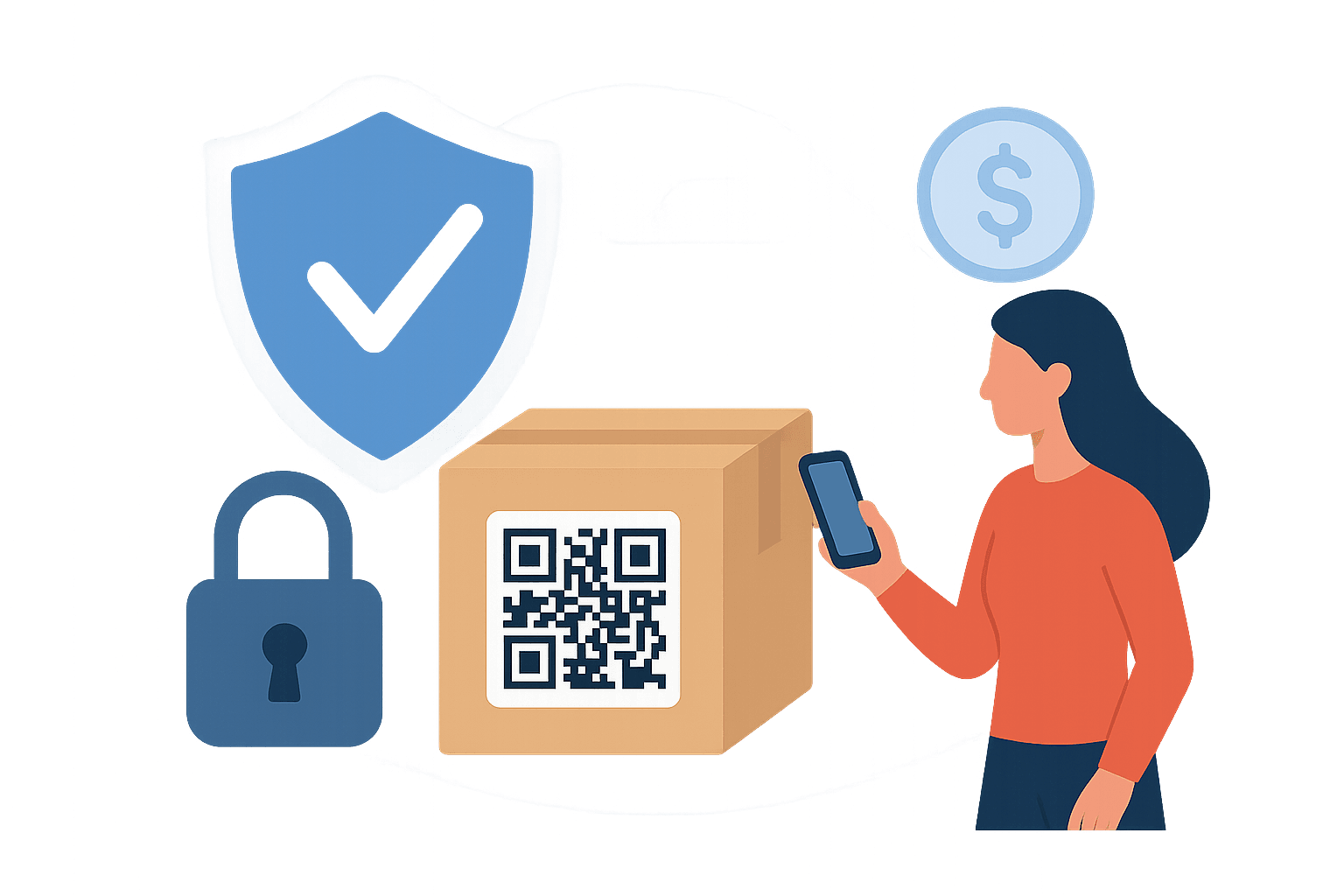
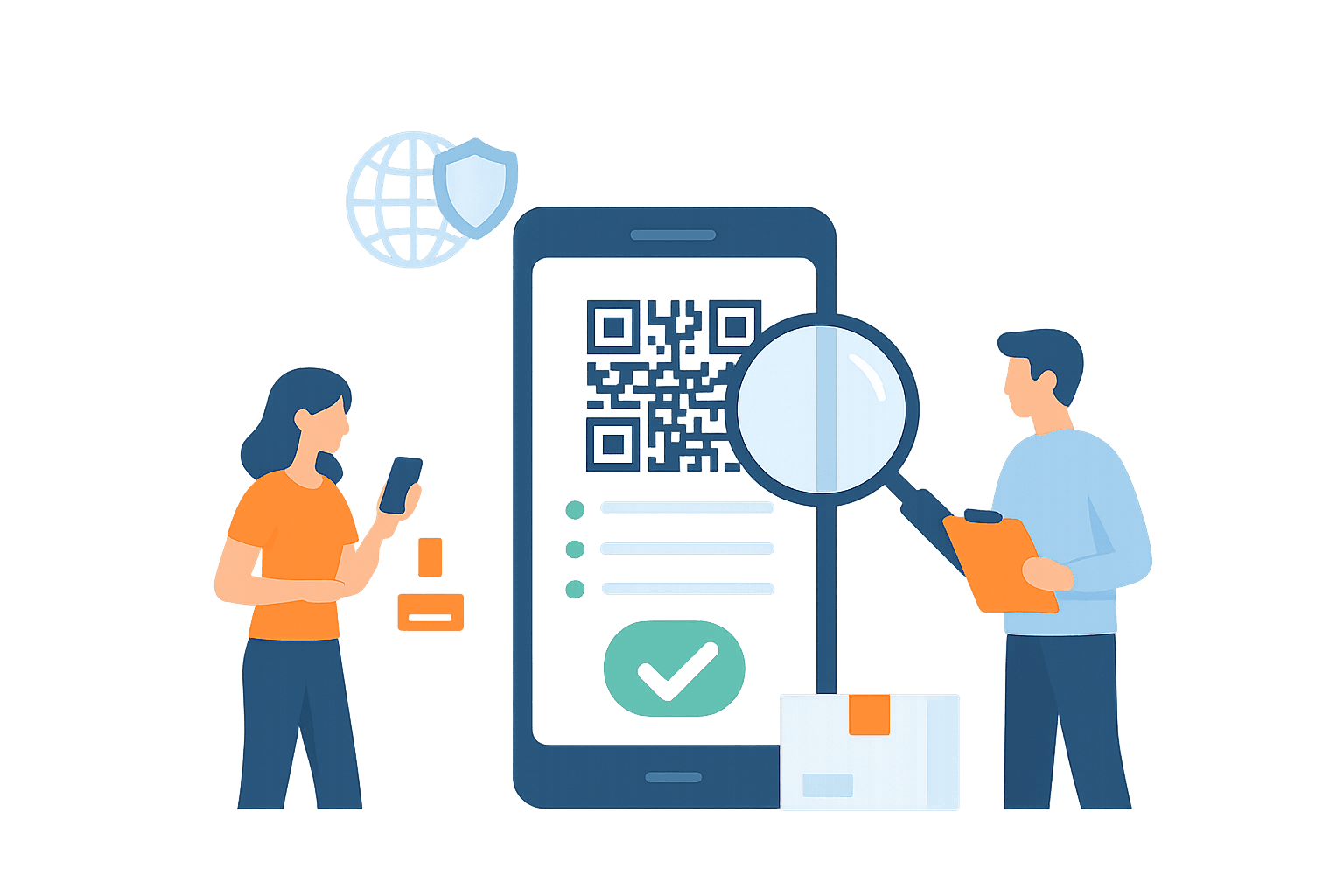
This is where cryptographic technology becomes essential. By employing encrypted QR codes, each product is assigned not just a serial number, but a secure, patented cryptographic identity that acts as a unique digital fingerprint. Unlike a standard QR code that can be copied, an encrypted code contains secure elements that cannot be forged or duplicated. When a customer, retailer, or customs agent scans this code with a smartphone—with no special app required—it initiates a secure, real-time verification process. The system checks the code’s integrity, confirming it is a genuine, one-of-a-kind identifier linked to a single, specific item. Any attempt to use a cloned code is immediately flagged, providing the brand with invaluable, real-time intelligence on potential counterfeit hotspots. This makes every single product an active participant in its own security, creating a distributed and resilient defense network.
With a foundation of secure, SKU-level authentication in place, a brand can then construct the walls of its fortress through end-to-end supply chain visibility. This is achieved by integrating the unique product identifiers into a comprehensive track and trace system that records every touchpoint in the product’s lifecycle.
The process begins at the source. As each item comes off the production line, its unique encrypted QR code is activated and associated with production data—such as the factory location, batch number, and production date. As the product moves through the supply chain, at each node—from the factory gate to the distribution center, from the wholesaler to the retail stockroom—a simple scan updates its status in the central ledger. This creates an immutable, auditable record of the product’s journey.
This level of granular visibility provides powerful defensive capabilities:
The final layer of this security architecture is the empowerment of the end consumer. By providing a simple, instant, and reliable way to authenticate a product, brands can transform their customers from potential victims into frontline allies. That moment of successful verification is a powerful trust-builder. It provides the customer with peace of mind and reinforces the brand’s promise of quality and authenticity. This single interaction can also serve as a gateway to deeper engagement, allowing the brand to share stories, offer rewards, or solicit feedback, turning a simple security measure into a valuable marketing channel. This direct connection fortifies customer loyalty while simultaneously closing the final loop in the secure supply chain. By making every product a digital sentinel and every consumer a potential verifier, a brand can construct a formidable and intelligent fortress—one that not only protects against the pervasive threat of counterfeiting but also builds a more transparent, trustworthy, and profitable future.
Sign up now and experience the power of True Authentication and Customer Engagement
Request Demo