Integrating Product Security with Consumer Engagement for Maximum ROI
In today’s hyper-competitive market, brands are facing a dual threat: the pervasive issue of counterfeit products and the increasing difficulty of building direct relationships with consumers. The global trade in counterfeit goods is a multi-billion dollar problem, with estimates suggesting it could reach trillions of dollars, impacting everything from luxury goods and electronics to pharmaceuticals and everyday consumer products. This not only results in lost revenue for brands but also erodes consumer trust, damages brand reputation, and can even pose serious health and safety risks to consumers.
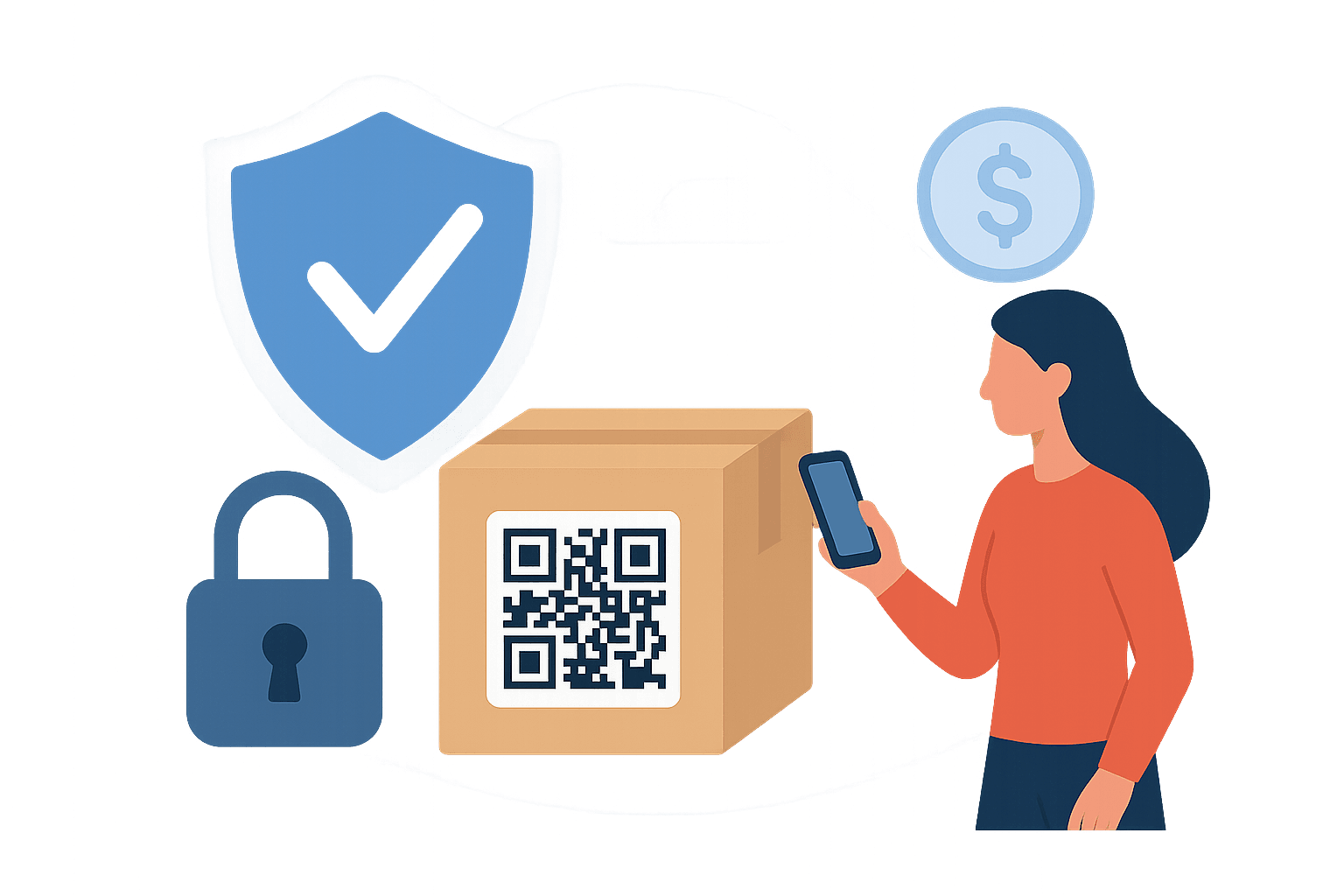
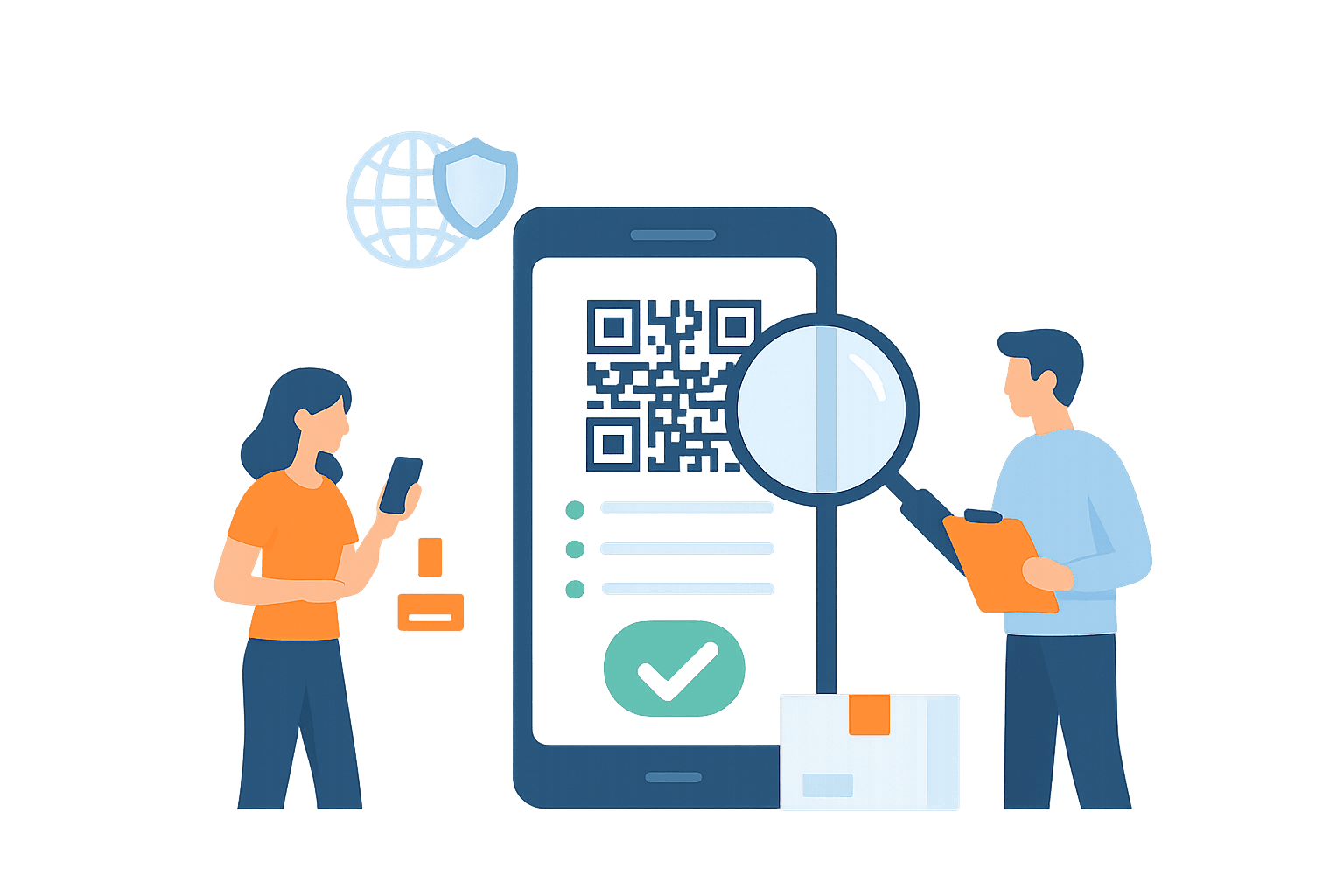
To combat this, a robust product security strategy is no longer a luxury but a necessity. Modern product security solutions have evolved beyond simple holograms or basic QR codes. Today, brands can leverage advanced technologies like encrypted, scannable QR codes to provide unit-level product authentication. Each product can be assigned a unique digital identity, making it nearly impossible for counterfeiters to replicate. This technology empowers consumers to instantly verify the authenticity of a product with a simple smartphone scan, providing them with the peace of mind they crave and fostering a sense of trust in the brand. A 2025 study revealed that 81% of consumers need to trust a brand before considering a purchase, highlighting the critical role of trust in today’s market.
Beyond counterfeit protection, these advanced product security solutions also help brands meet evolving regulatory requirements, such as the EU’s Digital Product Passport, which mandates greater transparency and traceability throughout a product’s lifecycle. This proactive approach to compliance not only de-risks the business but also demonstrates a brand’s commitment to quality and transparency, further strengthening consumer confidence.
While product security is a powerful tool for protection, its true potential is unlocked when it’s integrated with a comprehensive consumer engagement strategy. Every scan of a product’s unique identifier is not just a verification of authenticity; it’s a valuable touchpoint—an opportunity to connect directly with the consumer and begin a conversation. This transforms the product itself from a static object into a dynamic, interactive media channel.
This direct-to-consumer interaction is a goldmine of first-party data. In an era of increasing data privacy regulations and the deprecation of third-party cookies, first-party data has become the lifeblood of effective marketing. By capturing data directly from consumer interactions with their products, brands can gain unparalleled insights into their customers’ behaviors, preferences, and demographics. Statistics show that brands leveraging first-party data can see a significant return on investment, with some achieving as much as a 2.9x revenue lift and a 1.5x increase in cost savings. Another study showed an 8x ROI for brands using first-party data.
The data collected through product security scans can be used to create highly personalized marketing campaigns. For example, a brand can offer a customer who has just scanned a product a special discount on their next purchase, or provide them with content and recommendations tailored to their interests. This level of personalization makes consumers feel valued and understood, which in turn fosters loyalty and encourages repeat business. Research shows that companies with strong omnichannel engagement strategies retain an average of 89% of their customers, compared to just 33% for companies with weak omnichannel strategies.
By integrating product security with their CRM and other marketing platforms, brands can create a seamless omnichannel experience for their customers. For example, a customer who scans a product in-store could be retargeted with relevant ads on social media or receive a follow-up email with more information about the product and the brand. This consistent and connected experience across all touchpoints strengthens the customer relationship and drives higher engagement. A 2025 study found that synergy and seamless omnichannel experiences explain 74% of customer loyalty and 69% of repurchase intent.
The insights gained from this data are invaluable for improving customer lifetime value (CLV). By understanding how customers are using their products and what they are interested in, brands can develop new products and services that better meet their needs, and create loyalty programs and other initiatives that encourage long-term engagement.
The smart packaging market is projected to grow significantly, with some reports estimating it will reach over USD 40 billion by 2032, driven by the increasing demand for product traceability, authentication, and consumer engagement. This trend underscores the growing recognition among brands that the physical product is a powerful gateway to the digital world. By embracing technologies that bridge this gap, brands can not only protect their products from counterfeiting but also build deeper, more meaningful relationships with their customers, ultimately driving sustainable growth and a significant return on investment. This integrated approach to product security and consumer engagement is the future of branding, where every product tells a story and every customer feels connected.
Sign up now and experience the power of True Authentication and Customer Engagement
Request Demo